Site Assessment:
Conduct a thorough site assessment to evaluate the soil and ground conditions. Determine the soil type, water table level, and any potential obstructions that may affect installation.
Proper Ground Screw Selection:
Choose ground screws that are suitable for the specific soil and load requirements of your project. Ground screws come in various sizes and configurations to accommodate different conditions.
Pre-Installation Planning:
Develop a clear installation plan that includes the layout, spacing, and depth of the ground screws. Consider factors like the intended load and the type of structure or equipment being anchored.
Equipment and Tools:
Ensure that you have the necessary equipment and tools for the installation, including the appropriate machinery or equipment for screwing the ground screws into the ground.
Ground Preparation:
Clear the site of debris, rocks, and vegetation that could obstruct the installation process.
If the ground is extremely muddy, consider using a track or wheeled machine to minimize ground disturbance and provide better stability during installation.
Proper Installation Technique:
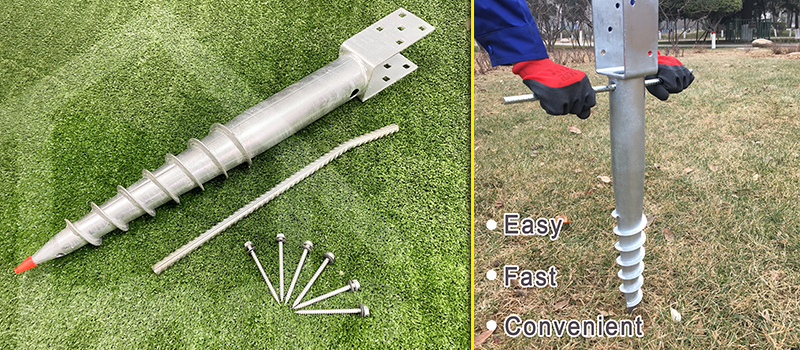
Use the correct installation technique for your specific ground screw design. This typically involves rotating the screw into the ground using machinery or equipment.
Maintain a slow and steady pace during installation to prevent excessive soil displacement and maintain screw alignment.
Installation Depth:
Ensure that the ground screws are installed to the recommended depth to achieve the necessary load-bearing capacity. The depth may vary depending on soil conditions.
Load Testing:
After installation, conduct load tests to verify the stability and load-bearing capacity of the ground screws. This is particularly important for critical or high-load applications.
Anti-Corrosion Measures:
If the ground screws are made of metal, consider using corrosion-resistant coatings or materials to prolong their lifespan, especially if they will be in contact with water or wet soil.
Maintenance and Monitoring:
Regularly inspect and monitor the ground screws to ensure they remain secure and stable over time. Address any signs of movement or instability promptly.
Environmental Considerations:
Be mindful of environmental regulations and any permits required for installation in wetlands or other sensitive areas.
Safety Precautions:
Follow safety guidelines and use appropriate personal protective equipment (PPE) during installation.
Consultation:
If you're uncertain about any aspect of ground screw installation in muddy terrain, consult with experts or engineers experienced in geotechnical and foundation work.
Properly installed ground screws can provide a stable foundation in muddy or marshy ground conditions. Ensuring that you follow best practices, conduct thorough planning, and consider site-specific factors will help you achieve a successful and secure installation.